




Our Specilities

Compassion at Every Step
250 Beds of Comfort and Care

Experts Care Across 40 Specialities

70+ Renowned Doctors

Gold Standards of Quality Protocol

World-Class Infrastructure
Technology & Innovation- Driven Care

Accredited Excellence


Highlights all major departments and
medical specialtie

What services does Pulsecare Hospital offer?

We offer a wide range of healthcare services including General Medicine, Pediatrics, Gynecology, Orthopedics, Cardiology, Neurology, Surgery, and Physiotherapy. We also provide diagnostic tests, preventive care, and emergency services.

What are your hospital’s working hours?

Our OPD hours are from 9:00 AM to 7:00 PM, Monday to Saturday. However, emergency services are available 24×7.

Do you provide surgery services?

Yes, we have a modern operation theatre and perform various surgeries including general surgery, C-section, orthopaedic surgery, and minor procedures.

Are your facilities modern and up to date?

Yes. Our hospital is equipped with advanced medical equipment and follows strict hygiene and safety protocols for all patients.

Can I get an online consultation?

Yes, we offer teleconsultation for select specialties. Please contact our front desk or visit our website to book an online appointment.

Do I need to bring any documents during my first visit?

Please bring a valid ID proof, previous medical records, and any test reports (if available) to help the doctor assess your condition better.

What conditions do you treat at Pulsecare?

We treat a wide range of health issues, including but not limited to:

Heart disease

Diabetes

Joint and back pain

Parkinson’s disease

Brain and spine conditions

Women’s health & pregnancy

Childhood illnesses

All Under One Roof

Medications

Blood thinners (aspirin, clopidogrel)Blood pressure drugs (beta-blockers, ACE inhibitors)Cholesterol-lowering drugs (statins), Medications for arrhythmia or heart failure

Medical Procedures & Surgeries

Angioplasty – to open blocked arteries,Stent Placement – keeps arteries open,Bypass Surgery (CABG) – reroutes blood flow around blocked arteries,Pacemaker – regulates abnormal heartbeats,Valve repair or replacement surgery

Lifestyle Changes

Heart-healthy diet (low salt, fat, sugar),Daily exercise (30 minutes of walking, yoga, etc.),Weight management,Stress management,Smoking and alcohol cessation

Pulsecare Treatments

Orthopedic & Neuro-Spine Specialists,State-of-the-art Imaging & Physiotherapy Unit, Non-surgical & Minimally Invasive Treatments
,Holistic Approach with Long-term Support, Affordable and Ethical Care

Explore Our Speciality Services

Compassionate, Comprehensive & Quality Care – All Under One Roof

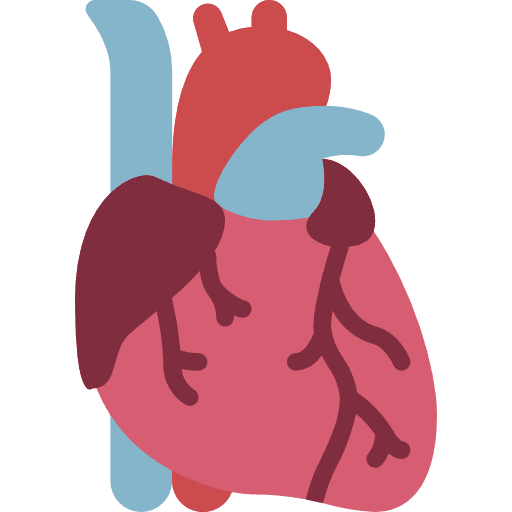
Cardiac Science

Our cardiology department focuses on the diagnosis, treatment, and prevention of heart diseases. Heart disease is the leading cause ....

Neuro Science

We offer expert care for diseases affecting the brain, spine, and nervous system, including. EEG, MRI/CT referrals, Nerve studies,....
Orthopedics & Joint Care

Our orthopedic team treats all bone and joint-related problems with both surgical and non-surgical options....
Gastroenterology

Our internal medicine department provides comprehensive care for a range of everyday and chronic health. Complete diagnosis,...
Nephrology

Our pediatricians ensure your child’s health, growth, and development from newborn to teenage years. Well-baby clinics, immunization,...
Urology

Non-invasive treatment for chronic and acute pain. Electrotherapy, exercise therapy, spine correction, posture alignment....

How We Diagnose Heart Conditions at Pulsecare

Our experienced cardiologists use a variety of tests to diagnose heart conditions accurately:                                                                                  ECG (Electrocardiogram) – checks for abnormal rhythms                            Echocardiogram – ultrasound of the heart                                                      TMT (Treadmill Test) – evaluates blood flow during exercise                              Holter Monitoring – tracks heart rhythm for 24–48 hours                                  Blood tests – to check cholesterol, sugar, and cardiac enzymes                      Angiography – identifies blockages in arteries

Scroll to Top